

How-To: Mix and Match Metal Finishes

Many homeowners have it in their minds that every piece of metal in a home should be matching. While this approach works well in some spaces, we've often found that layering different finishes throughout the home can have quite an interior impact. Which leads us to one of our most commonly asked questions: how do you mix metals?
To help answer this age-old question (and take some guesswork out of the decision-making process), we invited our Interior Stylist, Jess, opens in a new tab, to share a few of her styling strategies for mixing and matching metals throughout the home.

[article-products row_number="0" products_per_row="4"]
Kitchen
The kitchen is often considered the heart of the home. That's exactly why we like to start here first. Because it's a room that hums with activity, it's the perfect place to invest in beautiful pieces that you'll be looking at and using frequently throughout the day.
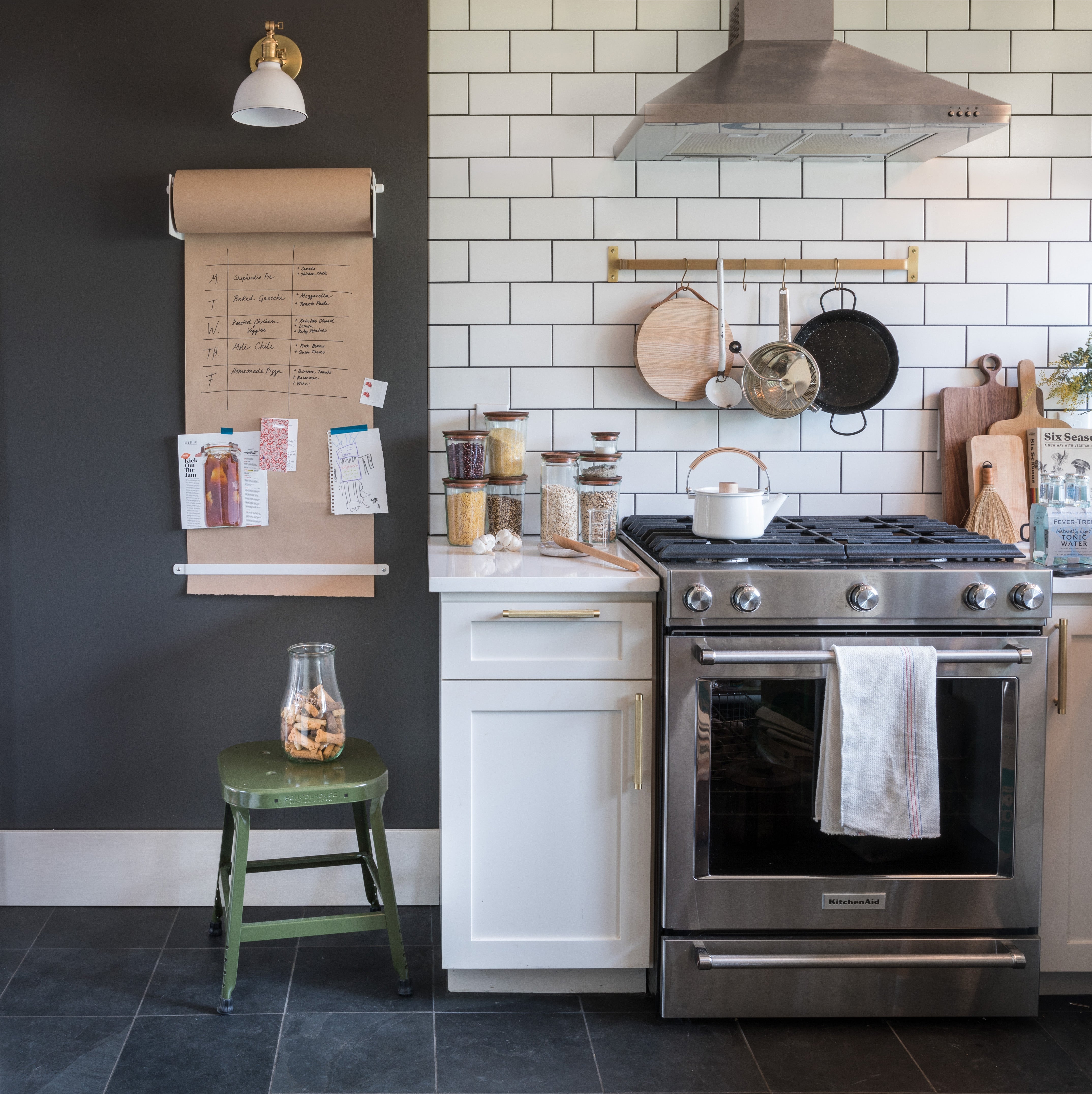
Begin by selecting a style point. Are you going for a clean, minimal look with only one or two metals? A heritage-inspired feel with plenty of mixing and matching, or something in between? Once you've nailed down your interior aesthetic, it's helpful to choose an anchoring piece followed by a few accents. In the first image above, the two gold Donna Pendants work as a focal point while the surrounding cabinet hardware, opens in a new tab, kitchen stools, opens in a new tab, and appliances support the look.
Stylist Tip: Think of the metals in your space as a family. Everything doesn’t have to be the same, but they should complement each other.
, opens in a new tab
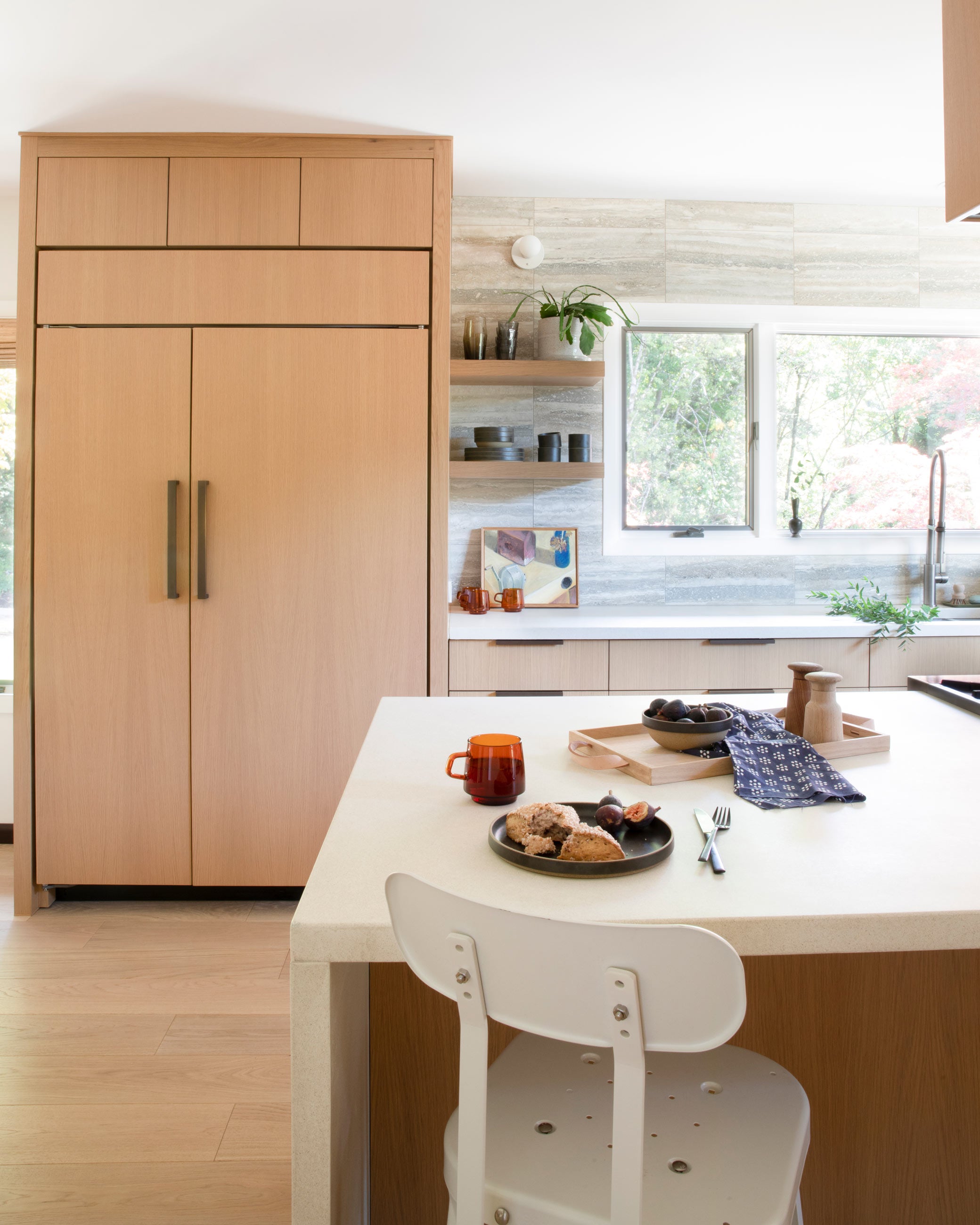
 via @valleyhousewoodworking, opens in a new tab

[article-products row_number="1" products_per_row="4"]
Living Area
When it comes to spaces such as entryways, living rooms, reading nooks, and beyond, it helps to focus on the furniture and then layer in other design details. Is there a tall floor lamp that you’re drawn to or a lounge chair that anchors the space? A built-in dresser, mirror, or table? Start there and arrange other elements around it to create a cohesive interior aesthetic.


[article-products row_number="2" products_per_row="4"]
Bathroom
We are often asked if it's okay to mix cool, chrome faucets and finishes with warmer metals like brass and bronze. To that, we answer — absolutely! We've found that working with a variety of metals adds a layer of interest and visual dimension. It can be helpful to approach the bathroom similarly to the kitchen. Begin by selecting a star and then build a supporting cast around it. Often, flooring, countertops, and tile will set the stage, and hardware and lighting follow next to add an elevated (and equally important) finishing touch.
Stylist Tip: If the bathroom is smaller in square footage, try to stick to two metals. If you have more space to work with, experiment with additional options.
 via @edgeandlinesdesign + @jessiepreza, opens in a new tab


[article-products row_number="3" products_per_row="4"]
Door Hardware
Last but certainly not least, there's door hardware, opens in a new tab. As a general rule of thumb, we tend to separate finishes based on floor and indoor/outdoor use. For example, if you have two levels in your home, stick to one finish per floor and treat your exterior hardware as a separate family from your indoor hardware. If you have a single-story space, select one finish for all the interior handles and another for the exterior.
The front door is often a welcome opportunity to make a statement, so don't feel like it has to match with your other picks. Try adding interest by selecting a finish that contrasts your exterior paint color or go for a tonal look by choosing hardware that coordinates or almost matches your exterior palette (for example, we love our brass entrance sets, opens in a new tab with white paint or flat black sets with dark paint).
Stylist Tip: When in doubt, keep all interior door hardware the same and all the exterior hardware the same finish.

While we hope this guide laid some helpful groundwork, we encourage you to experiment to see what works best for you. At the end of the day, your home is your place to play (and some of the most interesting spaces break all the design "rules"), so keep in mind that if you love the end result, it's a success.
[button label="Shop Hardware" url="https://www.schoolhouse.pro/pages/hardware" style="primary"]